
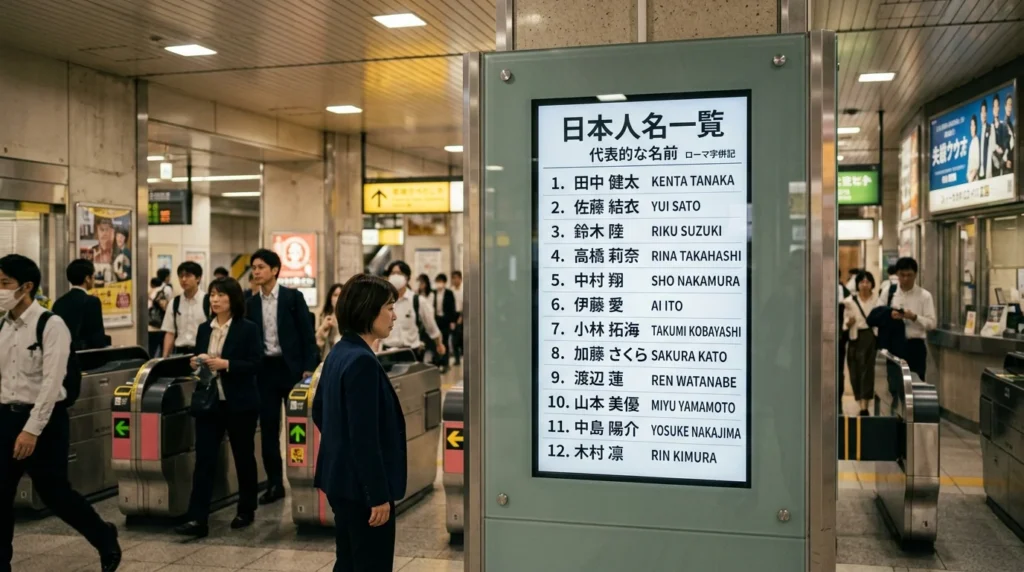
Things to Know Before Picking the Perfect Japanese Names
- Many Japanese names have multiple meanings depending on kanji used
- Nature is a major inspiration (flowers, seasons, sky, ocean)
- The same pronunciation can have different written forms
- Short names are very common and easy to remember
- Some names feel traditional, others are very modern
- Gender-neutral names are widely used in Japan
- Meaning is often more important than sound
A name is not just a label — it’s a story written in a few characters. What story do you want to begin?
Strong Japanese Boy Names
- Haruto
- Ren
- Yuto
- Sota
- Kaito
- Riku
- Daiki
- Takumi
- Haruki
- Shota
- Ryota
- Kazuki
- Tsubasa
- Itsuki
- Naoki
- Masaru
- Hikaru
- Shohei
- Tatsuya
- Akira
These names feel strong, focused, and full of quiet confidence.
Which one feels powerful to you?
Beautiful Japanese Girl Names
- Sakura
- Yui
- Aiko
- Hana
- Emi
- Rin
- Haruka
- Mei
- Akari
- Yuna
- Kana
- Ayumi
- Hina
- Riko
- Natsuki
- Saki
- Miku
- Kaori
- Nozomi
- Asuka
These names feel soft, elegant, and full of natural beauty.
Which one feels like a blooming flower?
Unique Japanese Baby Names
- Amaya
- Koharu
- Minato
- Sorata
- Hinata
- Arata
- Shiori
- Nagi
- Takara
- Yuzuki
- Itsuka
- Kasumi
- Kiyoshi
- Fuyuka
- Reika
- Tomoya
- Hoshiko
- Yori
- Issei
- Suzume
These names stand out because they feel rare but still deeply meaningful.
Which one caught your attention first?
Nature-Inspired Japanese Names
- Sakura (cherry blossom)
- Umi (sea)
- Sora (sky)
- Yuki (snow)
- Kai (ocean)
- Hana (flower)
- Tsuki (moon)
- Hoshi (star)
- Kaze (wind)
- Nami (wave)
- Mori (forest)
- Aoi (blue/hollyhock)
- Riku (land)
- Mizuki (beautiful moon water)
- Haru (spring)
- Akatsuki (dawn)
- Yama (mountain)
- Kumo (cloud)
- Asa (morning)
- Shinrin (woods)
These names feel peaceful, grounded, and connected to nature’s rhythm.
Which element feels most meaningful to you?
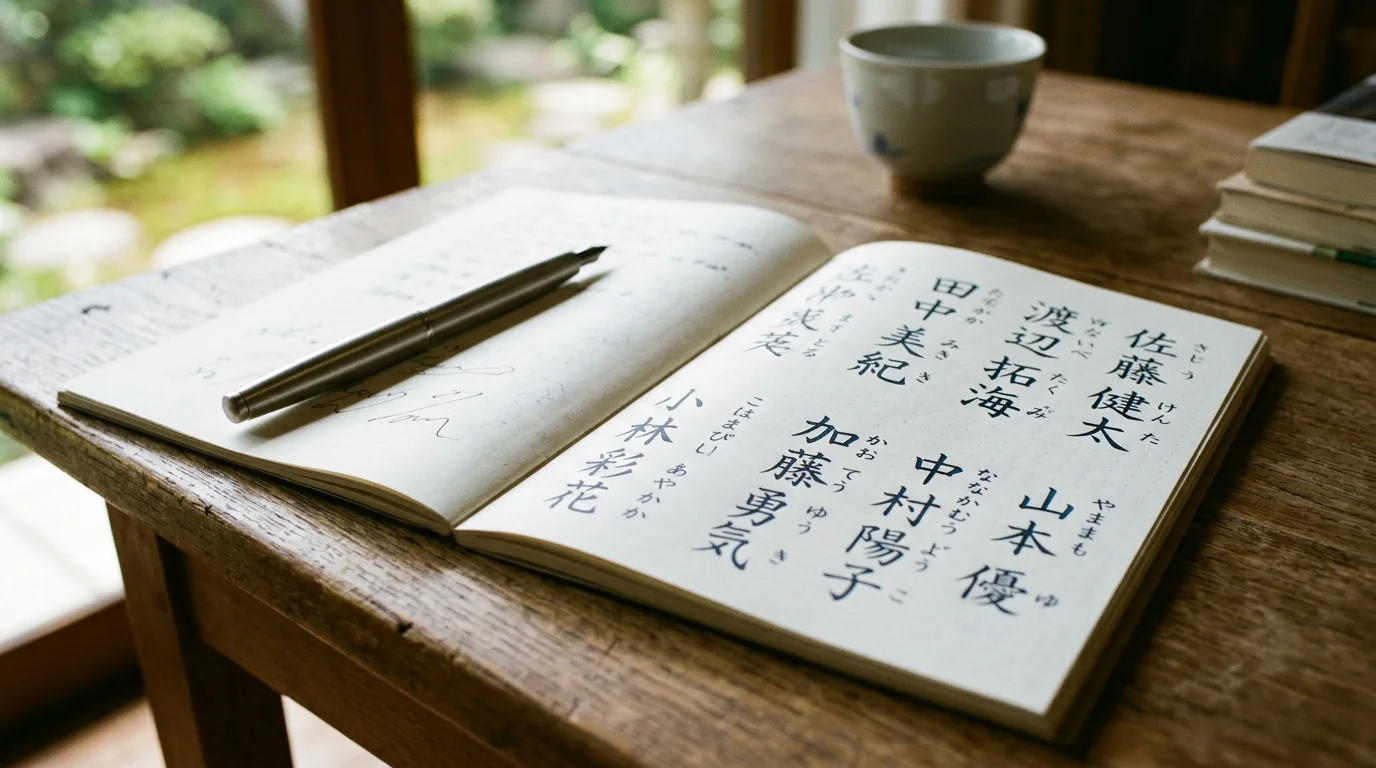
Modern Japanese Baby Names
- Haruto
- Yuna
- Ren
- Mio
- Kaito
- Rio
- Aoi
- Sora
- Mei
- Riku
- Hana
- Yuto
- Nao
- Emi
- Kai
- Hina
- Rina
- Toma
- Rioha
- Asahi
These names are simple, stylish, and fit perfectly in today’s global world.
Which one feels the most modern to you?
Cute & Short Japanese Names
- Rei
- Yui
- Mei
- Rin
- Kai
- Ao
- Ren
- Mio
- Hina
- Sora
- Nao
- Ryo
- Eri
- Kyo
- Aya
- Yuu
- Ami
- Rui
- Aki
- Nami
Short names feel soft, easy, and very memorable.
Which one feels easiest to say?
Mythology & Spiritual-Inspired Japanese Names
- Amaterasu (sun goddess inspiration)
- Susanoo
- Tsukuyomi
- Inari
- Raiden
- Fujin
- Ryujin
- Izanagi
- Izanami
- Kannon
- Tenjin
- Hachiman
- Okami
- Yurei (spirit-inspired tone)
- Shinigami (death spirit inspiration)
- Kamui
- Shinju (sacred pearl)
- Reiko (spiritual child)
- Akuma (dark spirit reference)
- Mikoto
These names carry deep mythological and spiritual energy.
Which one feels powerful or mysterious?
Elegant Japanese Baby Names
- Ayaka
- Haruka
- Reika
- Misaki
- Yukiko
- Sachiko
- Etsuko
- Kumiko
- Naomi
- Tomoko
- Aiko
- Keiko
- Miyu
- Yuka
- Sayuri
- Kazue
- Michiko
- Fumiko
- Chihiro
- Noriko
These names feel graceful, timeless, and refined.
Which one feels the most elegant to you?
Cool & Trendy Japanese Names
- Riku
- Kai
- Rio
- Aoi
- Ren
- Sora
- Yuto
- Mei
- Nao
- Koa
- Zeno
- Lio
- Ryo
- Niko
- Aru
- Neo
- Rina
- Aro
- Tori
- Kiro
These names feel modern, stylish, and globally appealing.
Which one feels the coolest?
Unisex Japanese Baby Names
- Kai
- Ren
- Aoi
- Haru
- Sora
- Rio
- Yuki
- Nao
- Rei
- Asahi
- Riku
- Hinata
- Tsuki
- Aki
- Haruka
- Mizuki
- Kaze
- Nagi
- Ryo
- Yuu
Unisex names feel flexible, modern, and universal.
Which one feels perfectly balanced to you?
Powerful Japanese Warrior-Inspired Names
- Takumi
- Masaru
- Haruto
- Isamu
- Kenji
- Ryohei
- Takeshi
- Daiki
- Raiden
- Kaito
- Shinji
- Tatsuya
- Akio
- Ryoma
- Nobu
- Satoshi
- Hiroshi
- Jiro
- Eiji
- Kiyoshi
These names feel strong, disciplined, and full of warrior spirit.
Which one feels like a leader?